Repair or Upgrade? Thinking Through an Aging Pool Pump, Heater or Filter
Not every tired pump needs replacing, and not every repair is worth making.
October 17, 2026 · 4 min read
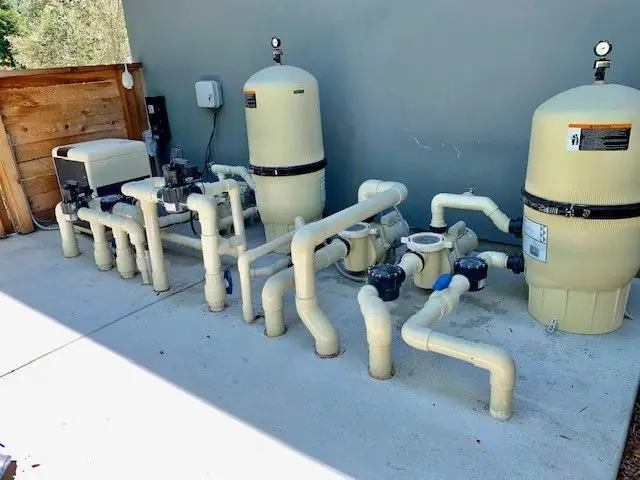
Sooner or later the equipment pad behind your pool starts to show its age. The pump gets louder, the heater takes longer to warm the water, the filter needs attention more often, or a light stops working. At that moment pool owners usually face the same question: fix what's there, or put the money toward something newer? There isn't one right answer for every pool, but there is a sensible way to think it through.
When repair makes sense
A repair is often the better first move when the problem is specific and the rest of the equipment is working well. A leaking union, a worn timer, a failed light or a pump that needs a part are all examples. Davis Pool Service takes the view that an upgrade isn't always an option, and it specializes in extending the life of existing equipment to keep your out-of-pocket expense down.
The repair list is broad. They can repair anything above ground, which includes plumbing, electrical, pumps, filters, heaters, timers, lights, deck-O-seal and mastic, and pool sweeps. Glenn Davis has an extensive background in repair, and the equipment work is done under TDLR #512888. One published client testimonial describes a pump with a hole in the pipeline that was fixed in a timely manner, which is the kind of problem where a repair clearly beats a replacement.
A good repair conversation also takes in the age of what is being fixed. Replacing a failed part on an older heater can make sense if the rest of the unit is sound, but if several things have gone wrong in a short span, the repairs are telling you something about the whole unit. Ask for a plain explanation of what failed, what the fix involves, and what else on the pad is likely to follow it. A clear answer to those three questions usually settles the repair-or-replace decision on its own.
When an upgrade starts to pay off
Upgrades earn their keep when the old equipment is inefficient, unreliable or limiting what you can do with the pool. The clearest example is the pump, because it's usually the biggest electricity user on the pad. Davis Pool Service points out that energy-efficient equipment can save hundreds of dollars per year on your electricity bill. Your own savings depend on your pool, your run times and your rates, so treat that as a reason to ask, not a promise.
A few useful questions can help you decide:
- How often has this piece needed work in the past couple of years?
- Does the repair cost a large share of what replacement would?
- Is the equipment noisy, slow or hard to control day to day?
- Do you want features the current setup can't offer, like easier scheduling or better lighting?
If most answers point toward frequent trouble, the case for replacing gets stronger.
The upgrades people ask about
A variable speed pump lets you adjust the RPM, so you can match the pump's speed to the season and the job. A slow speed for everyday circulation uses far less power than running at full speed all day. A high performance Pentair heater is designed to warm the water quickly and efficiently, which matters if you like to swim in cooler months or heat a spa.
Pool automation gives you control of pool and spa features from one place, including advanced options like colored lighting and salt generators. Instead of memorizing valve sequences and resetting time clocks, you press a button. One client wrote that with new automation and an energy efficient pump, everything turns on with the touch of a button. Lighting can range from a traditional light to a standard LED to color LED lights, and replacing a filter or filter element can make a clear difference to the clarity of the water.
A sensible way to decide
Start with a look at what's actually on your pad and how it has behaved. Ask for the repair option and the upgrade option side by side, then compare what each one fixes. Sometimes the answer is to repair the pump now and plan a new heater for the following season. Spreading the work out is a perfectly reasonable strategy when nothing is failing urgently.
Timing matters as well. Replacing a pump in the off season, when you aren't relying on the pool every day, is far less stressful than doing it in July with guests coming. If you know a piece of equipment is on its last legs, planning the swap beats waiting for it to quit.
If you're weighing a repair against an upgrade for your own pool, the equipment repair and upgrades page lists everything Davis Pool Service handles, and the contact page is where to start the conversation.
Davis Pool Service, 214.305.4136
Call 214.305.4136More articles
What a Weekly Pool Visit Actually Checks
From the kitchen window a weekly pool visit looks simple, but each step catches a different kind of problem early.
Why Calcium Scale Builds Up on Pool Tile
That white crust along the waterline is not just cosmetic, and it rarely goes away on its own.